ECONOVA Ingeniería
Since 1999 · Industrial energy consulting

More efficiency,
less impact.

We support Mexico's high-consumption industry from the energy assessment to ISO 50001 certification — with in-house engineering, international methodologies and savings verified under the IPMVP protocol.

+70 Documented projects
Mandatory for UPAC facilities

ISO 50001 Certification

We design and implement your Energy Management System (EnMS) and leave you 100% ready for the audit by the accredited certification body.

View service
Technical assessment

Energy Audit

We find the savings hidden in your operation under ISO 50002: a measured energy baseline, significant energy uses and opportunities prioritized by payback.

View service
Energy strategy

Energy Efficiency

Energy efficiency is a management discipline rather than a product you buy: measure, assess, prioritize, execute and verify within a single roadmap.

View service
+25
Years of experience
+70
Documented projects
9
PEMEX facilities served
8
Countries in UN cooperation projects

Schedule a call with a specialist.

Thirty minutes to map your operating context and tell you what applies to you.

Schedule a call
Who we are

Twenty-five years on Mexico’s most demanding energy projects.

ECONOVA INGENIERÍA is an energy consultancy founded by a TÜV-accredited Energy Efficiency Auditor (valid in the European Union) who is also an ISO 50001 Consultant accredited by EMA (Mexican Accreditation Entity).

We work with an interdisciplinary team that spans energy engineering, applied research, regulatory compliance, project financial evaluation and EPC civil works — to address the energy transformation as the integral challenge it is.

ISO 50001 Consultant · EMA EE Auditor TÜV (EU) GHG Expert · EMA CONUEE Consultant PMVA · IPMVP (EVO)
01

Interdisciplinary team

Energy engineering, nanomaterials R&D, environmental compliance, financial evaluation and EPC civil works under a single contract.

02

International methodologies

ISO 50001, ISO 50002, IPMVP, UNIDO Cleaner Production and the Greenhouse Gas Protocol. Every procedure is traceable and verifiable.

03

Measurement before opinion

On-site instrumentation, integration with CONUEE's SNIE and verification of savings in kWh and pesos — measured results in place of estimates.

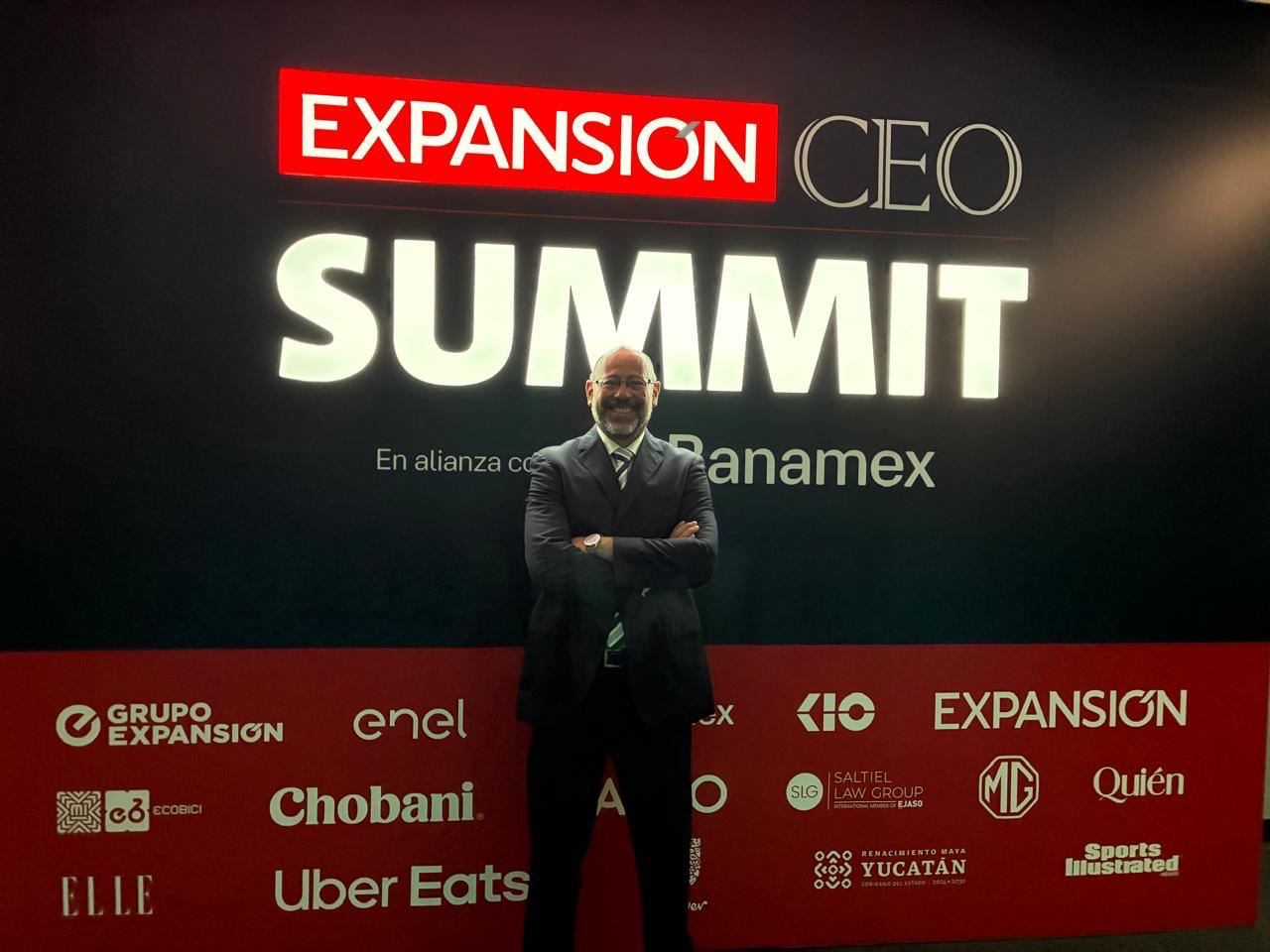
Ignacio García Sánchez, founder and director of ECONOVA Ingeniería, at the Expansión CEO Summit
Founder and director

Ignacio García Sánchez

Behind every project is technical judgment that is never delegated. The firm was built on a clear conviction: in energy, what isn't measured can't be improved—and what is measured poorly costs more than not measuring at all.

  • Master of Science in Environmental Engineering — ITESM
  • Specialist in Energy Efficiency and Renewables — Hochschule Wismar, Germany
  • PhD candidate in Mechanical Engineering, Energy specialization — ESIME, IPN
  • Tenured Research Professor at the Instituto Politécnico Nacional (IPN)
  • International consultant for UNIDO in eight countries
  • Certified PMVA™ — Performance Measurement and Verification Analyst, measurement and verification of savings under the IPMVP® protocol (EVO)
EE Auditor TÜV · EU ISO 50001 Consultant · EMA GHG Expert · EMA CONUEE Consultant PMVA · IPMVP (EVO)
Presence at industry forums

Where the future of energy in Mexico is discussed.

The conversation about the energy transition happens beyond the plant floor. We take part in the forums that shape the framework everyone will later have to operate under.

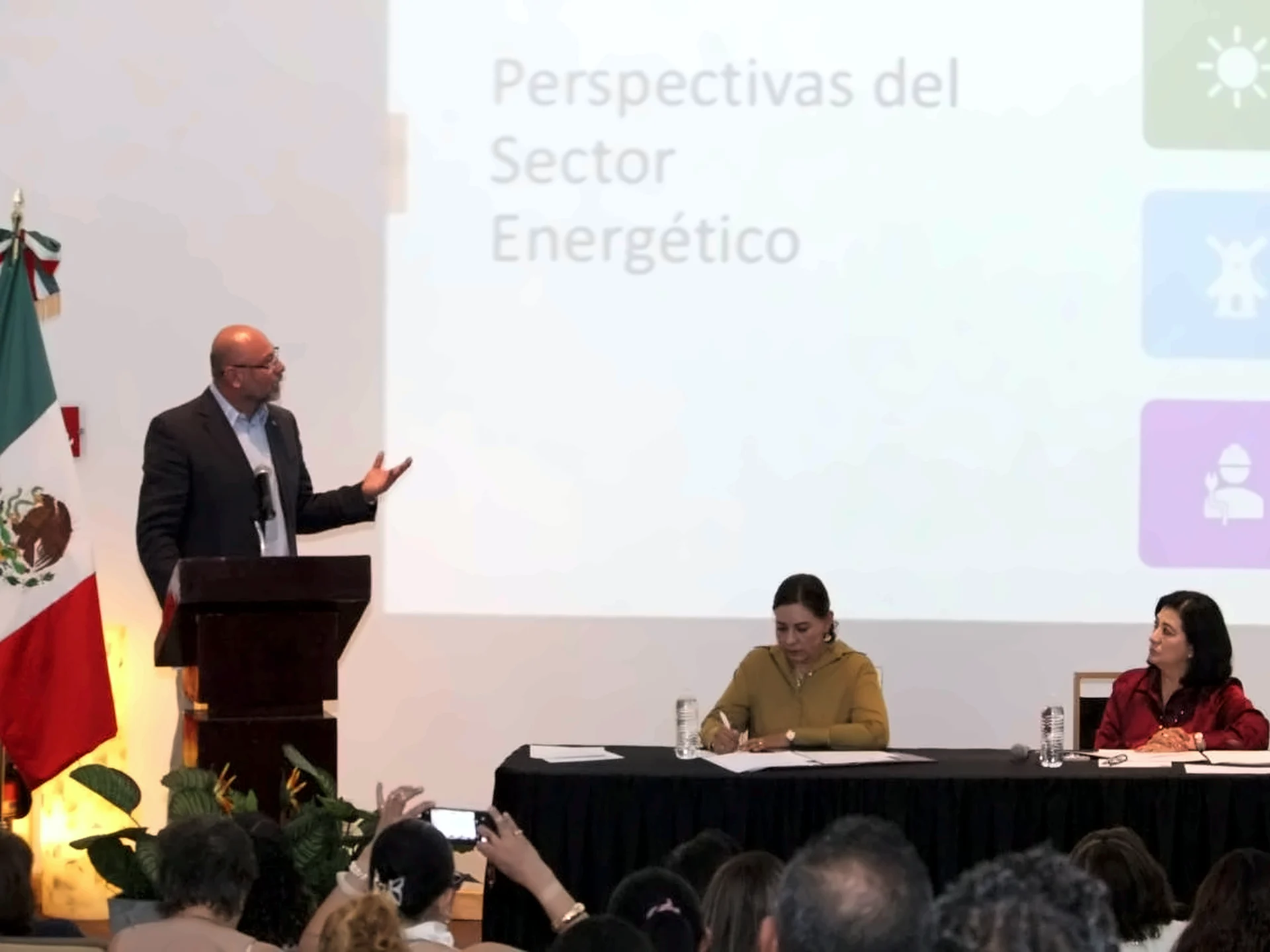
Ignacio García Sánchez during his keynote, Perspectives on the Energy Sector
Keynote

Perspectives on the Energy Sector

An analysis of the current regulatory framework, the obligations the LPTE imposes on High Energy Consumption Users (UPAC) and the role energy efficiency plays in Mexico's transition.

Bringing the technical discussion to open forums is part of the work: those who will have to comply with the rules need to understand them before they become enforceable.

Current regulatory framework

If your company is a UPAC, ISO 50001 is no longer optional.

The Energy Planning and Transition Law (LPTE) and its Regulations make the Energy Management System mandatory for High Energy Consumption Users (UPAC). The DACG published in the DOF on September 30, 2026 set the timeline: CONUEE begins verification in June 2027 and, no later than January 2028, UPAC facilities must have a certified system. A full implementation takes between 12 and 24 months. The arithmetic is simple: those who start today make it in time.

45 GWh
of electricity per year; applies once exceeded
70,000 boe
of fuels per year, in barrels of oil equivalent; applies once exceeded
Check If My Company Is a UPAC Calculate my thresholds Read the UPAC guide
Regulatory timeline
March 2025
LPTE published in the DOF
The Energy Planning and Transition Law (LPTE) enters into force.
October 2025
LPTE Regulations in force
The UPAC Registry and the verification regime are formalized.
September 2026
DACG published in the DOF
Thresholds, UPAC Registry, mandatory information and minimum EnMS elements.
Current cycle
Implementation window
This is the time to build the EnMS: Gap Audit, energy baseline, documentation and internal audit, before verification begins.
What we do

Eight fronts, one energy roadmap.

Each service delivers value on its own, and together they reinforce one another within an integrated strategy: first measure and understand, then decide where to invest.

How we work

The Econova cycle, in five stages.

From the first assessment to the close-out of results. Each stage delivers traceable technical documentation and moves forward only once the previous one has been verified.

01

Diagnose

Energy audit, on-site measurements, a verifiable energy baseline and mapping of significant energy uses (SEUs).

02

Plan

A quantified business case: prioritized portfolio, financial modeling and a multi-year roadmap.

03

Execute

Detailed engineering, procurement, installation, commissioning and integration with control systems.

04

Monitor

Continuous monitoring, monthly measurement and verification (M&V) reports and alerts on deviations.

05

Achieve

Savings verified in kWh and pesos, external certification, and regulatory and ESG reporting.

Training and knowledge transfer

Your team is what keeps a management system running.

We design tailored training programs, from the operating level to the executive committee. Each one is built around your operation, your equipment and the obligations that apply to you.

01

Technical courses

Fundamentals of ISO 50001 and ISO 50002, measurement and verification under IPMVP, power quality, thermography and heat balance.

02

Intensive programs

Accelerated training for teams that must implement the Energy Management System on tight deadlines.

03

On-site workshops

Hands-on practice with your own equipment and instruments, using your facility's real data. You learn by measuring, not by listening.

04

Executive briefings

Executive sessions on the regulatory framework, non-compliance risk and the financial analysis of energy projects.

Four levels, by audience

A

Technical and operational

Maintenance and operations staff: how to measure, what to record and how to interpret what the instrument shows.

B

Engineering

Design of the energy baseline, significant energy uses, performance indicators and verification protocols.

C

Functional

Purchasing, finance, quality and safety: their role within the management system and how it is documented.

D

Strategic

Senior management and board: regulatory obligations, risk exposure and energy investment decisions.

With a foot in academia

Our training is backed by a real link to research and teaching. We teach what we apply in the field, together with what is being researched at the institutions where the team teaches and trained.

Instituto Politécnico Nacional · IPN ESIME CINVESTAV-IPN ITESM Hochschule Wismar · Germany UNIDO

Our founder is a Tenured Research Professor at IPN and a PhD candidate at ESIME. The team's R&D lead holds a PhD in nanotechnology from CINVESTAV-IPN. We have carried out energy audit projects within IPN itself, such as the one for the Nanosciences Center.

Design a program
Field team

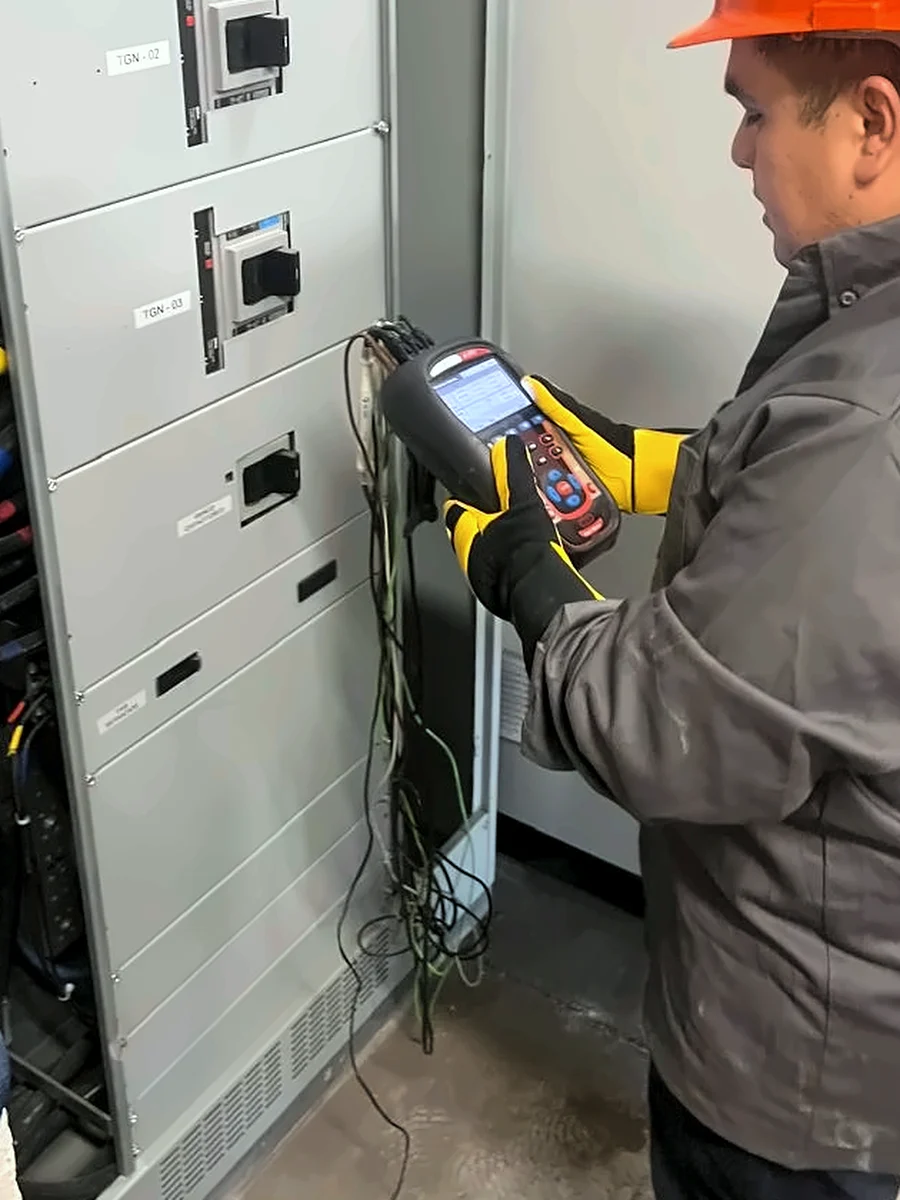
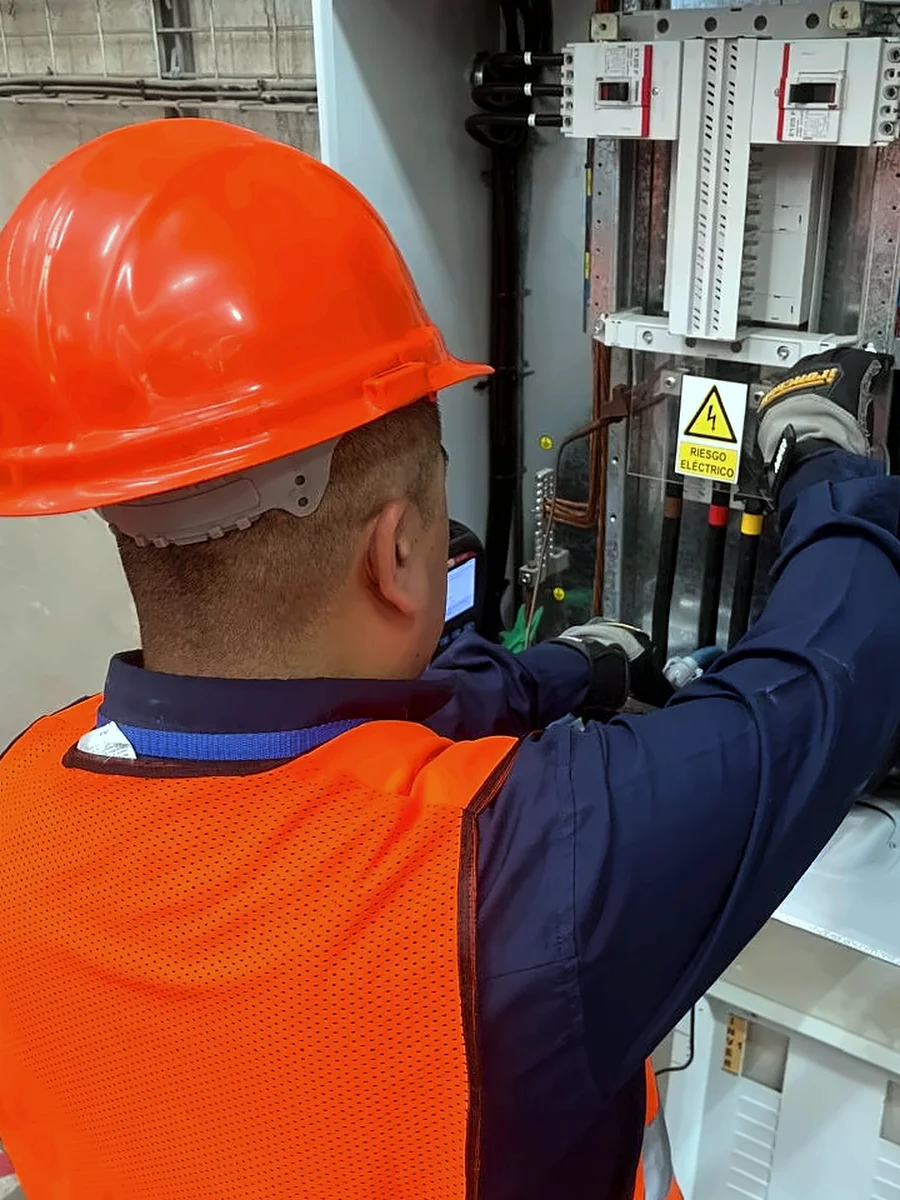
Measurement happens on site, not in a spreadsheet.

Our team instruments the facility, records how the operation actually behaves, and the energy baseline is built on that data—measurements rather than assumptions.

ECONOVA technician wearing dielectric gloves logging electrical parameters with an analyzer at a distribution panel
Electrical measurementParameter logging at a distribution panel
Clamp-on ammeters connected to the busbars of a panel marked with an electrical hazard sign
InstrumentationClamp connection on energized busbars
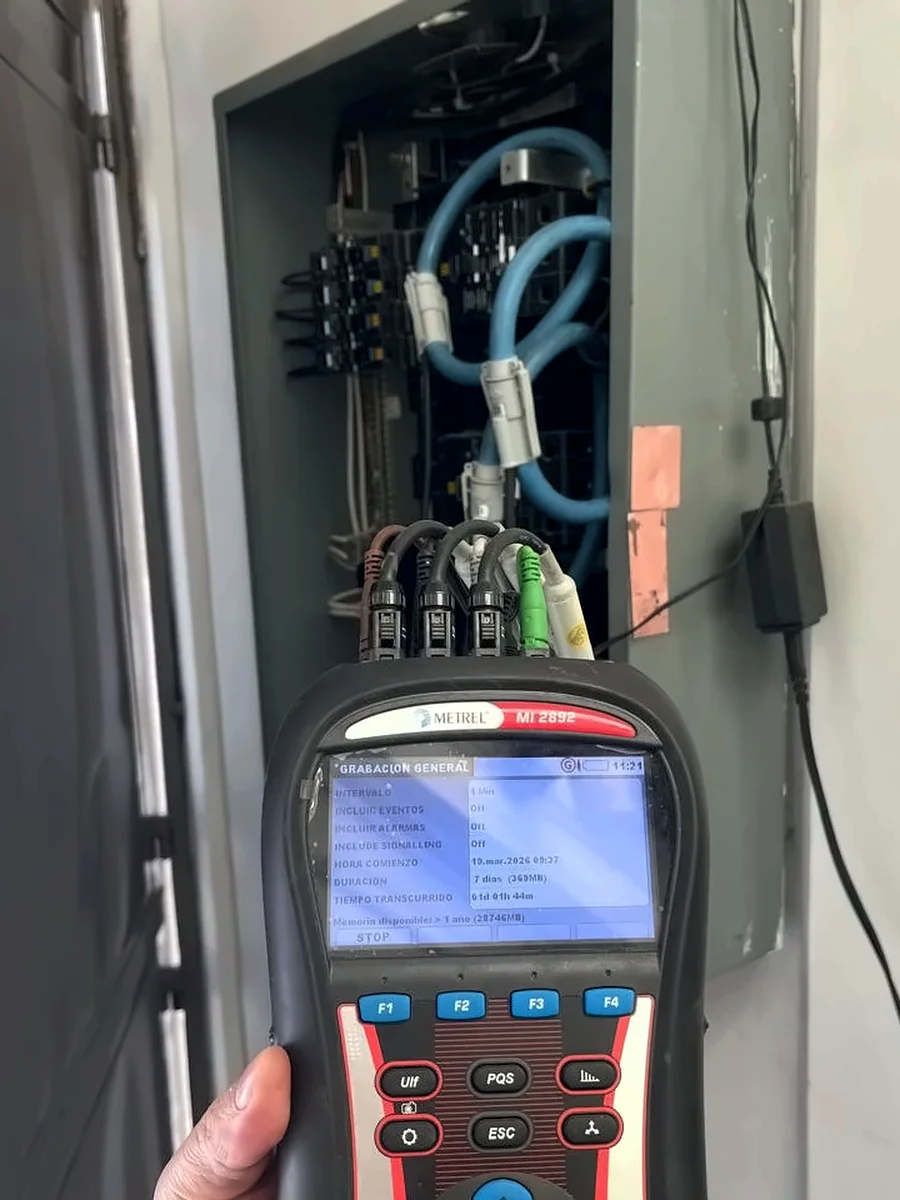
Power quality analyzer installed for seven-day continuous logging
Power qualitySeven-day continuous logging
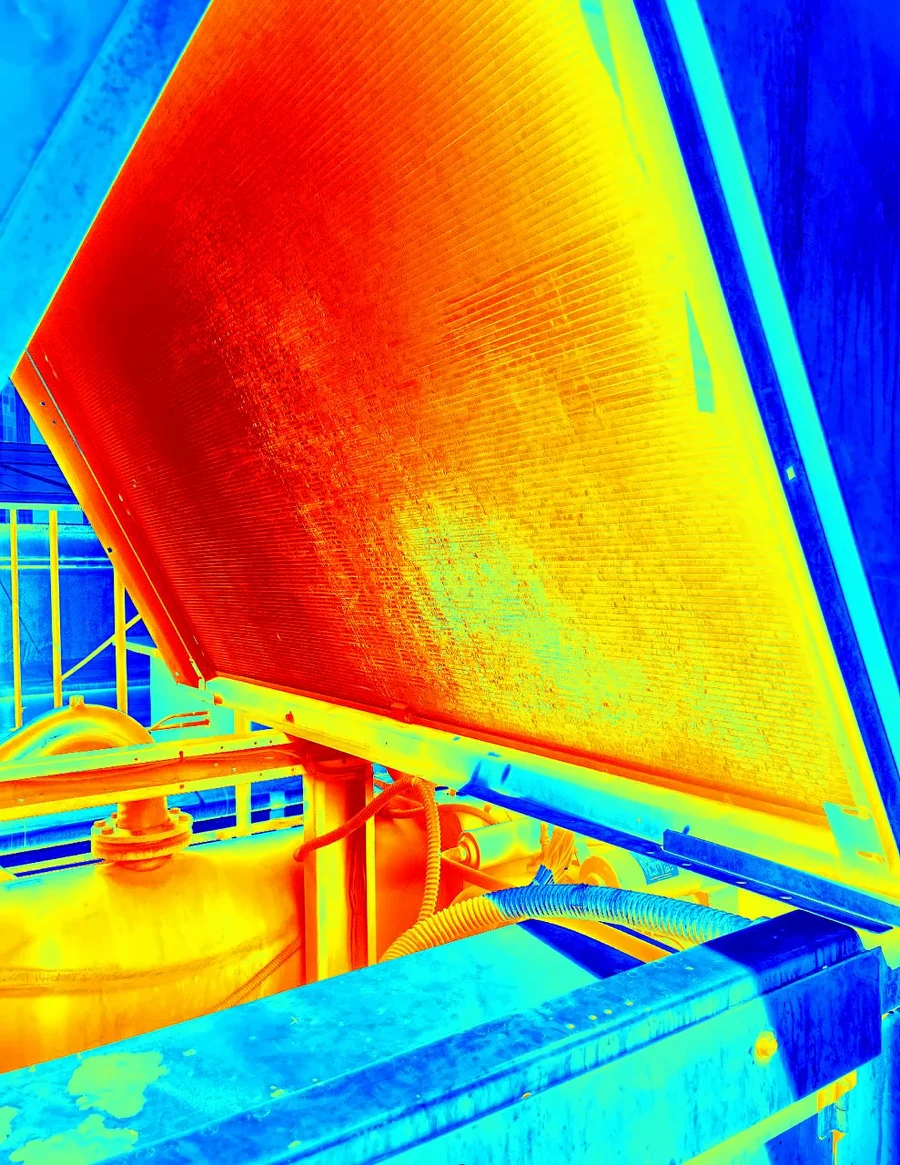
Infrared thermography of a condenser revealing fouling and uneven temperature distribution
HVAC thermographyCondenser fouling
Our purpose

The certificate is the visible result. The transformation happens in the operation.

We deliver more than documentation to pass an audit: an executable strategic plan, with a roadmap of verifiable milestones, investments ranked by payback and an energy governance structure that stays alive after we leave.

Actionable roadmap Prioritized investments Energy governance Continual improvement
A

Verifiable operating savings

Reductions measured under the IPMVP methodology against an established energy baseline, rather than catalog estimates.

B

Sustained regulatory compliance

LPTE obligations, reporting to CONUEE and verification of the EnMS handled with ample lead time.

C

Standing with global customers

ISO 50001 is recognized internationally and carries weight in demanding supply chains.

D

Operational continuity

Resilience against volatile energy costs and supply disruptions.

Sectors served

Proven experience in energy-intensive industries.

Iron and steelCement AutomotiveMining Chemicals and petrochemicalsFood and beverage Pulp and paperGlass Iron and steelCement AutomotiveMining Chemicals and petrochemicalsFood and beverage Pulp and paperGlass
PharmaceuticalsTextiles AgribusinessData centers HospitalsUniversities HospitalityRetail and supermarkets Public sectorCorporate buildings PharmaceuticalsTextiles AgribusinessData centers HospitalsUniversities HospitalityRetail and supermarkets Public sectorCorporate buildings
Documented projects

From the oil sector to academic research.

A selection of projects that shows the team's technical range — each with delivered, verifiable technical documentation.

2012 – 2013
Oil and gas

PEMEX-PEP · Nine compressor stations

Comprehensive energy assessments at Samaria II, El Golpe, Blasillo, Castarrical, Mora, Bellota 114, San Ramón, Ogarrio and José Colomo. Electrical and thermal analysis with a CONUEE compliance plan.

2007
Offshore

PEMEX-PEP · Akal-B offshore platform

Comprehensive assessment of energy efficiency, water efficiency and waste management in residential and process areas: crude oil extraction and natural gas compression.

2016
Renewables

80 MW solar PV plant

High-voltage grid loadability calculation, design of a 115 kV power substation and the solar field for a utility-scale plant in Tecomán, Colima.

2023
Education and research

IPN Nanosciences Center · ISO 50002

Energy audit under ISO 50002, energy baseline, mapping of significant energy uses, energy performance indicators (EnPIs) and a Gap Audit for ISO 50001 certification.

2016
Food and beverage

Mondelez Mexico · Puebla plant

Comprehensive assessment of process water efficiency and electrical and thermal efficiency with an emphasis on refrigeration, plus a waste prevention and valorization strategy.

2005 – 2016
International cooperation

UNIDO · Global Chemical Leasing in 8 countries

International consulting for the United Nations Industrial Development Organization (UNIDO) on sustainable chemicals management, with Russia, Egypt, Austria, Germany, Colombia, Serbia, Morocco and Sri Lanka.

Divisions

Full capabilities under a single contract.

Alongside energy management and engineering, we operate two specialized divisions that broaden the scope without adding suppliers to the project.

Energy division

Bioenergy and distributed generation

Distributed generation from biomass, biogas and industrial organic waste. Cogeneration and waste-to-energy projects that complement photovoltaic, wind and storage systems.

Biomass Biogas Cogeneration Circular economy
Environmental division

Environmental compliance and management

Regulatory compliance, environmental audits, permits, impact studies and regulatory sustainability: the environmental front that nearly always accompanies an energy project, handled within the same contract.

Environmental management Environmental audit Environmental impact Permits

Not sure where to start?

A thirty-minute call is usually enough to bring the picture into focus.

Talk to a specialist
Frequently Asked Questions

What we're asked most often.

Is ECONOVA a certification body?
No, and that distinction matters. ECONOVA is a guidance and implementation consultancy: we design the Energy Management System, implement it and leave the organization ready for certification. The official certificate is issued by an independent certification body accredited by EMA (Mexican Accreditation Entity). That separation between the party that implements and the party that certifies is precisely what gives the ISO 50001 certificate its international validity.
How do I know if my company is a UPAC?
The criterion is consumption: more than 45 GWh of electricity per year, or more than 70,000 barrels of oil equivalent (boe) in fuels, in the immediately preceding calendar year. If your facility exceeds either threshold, it falls under the UPAC regime pursuant to the DACG published by CONUEE on September 30, 2026. In practice, it is best to review this facility by facility, because a corporate group may have some sites above the threshold and others below it.
How long does it take to implement ISO 50001 and get certified?
Between 12 and 24 months for a mid-sized organization, counting from the Gap Audit to obtaining the certificate. The timeline depends mainly on two things: the availability of historical consumption data and how well metered the operation is today. A plant without sub-metering needs to be instrumented before it can establish a defensible energy baseline.
How much does an energy audit or a certification cost?
There is no catalog rate, and we would be wary of anyone who offers one. The cost depends on the audit level, the number of sites, the electrical and thermal scope, process complexity and the maturity of the current system. After a technical conversation, we deliver a detailed quote with a defined work plan, scope and deliverables.
What information do I need before we start?
Ideally, energy bills for the last twenty-four months, an inventory of the main equipment, basic process diagrams, operating schedules and patterns, and availability for site visits. If you don't have everything, that's fine: a large part of the audit work is precisely building that foundation. What is needed is a willingness to open the operation to technical analysis.
Do you take on projects outside Mexico City?
Yes. We have carried out projects at industrial facilities throughout Mexico, including offshore platforms, and in eight countries through cooperation programs with the United Nations Industrial Development Organization (UNIDO).

Let's talk

Let's talk about your energy project.

We map your operating context, tell you clearly what applies to you, and draw up a tailored plan with scope, schedule and verifiable milestones.

Offices Emiliano Zapata 61, Tlalnepantla, Estado de México Av. Mariano Escobedo 476, piso 12, Torre Polanco, Miguel Hidalgo, CDMX 11590
HoursMonday to Friday · 8:00 a.m. – 6:00 p.m.

Request an assessment

Personalized response · No obligation

By submitting, you accept our privacy notice.

Message us