
ECONOVA Ingeniería
Home › Energy Audit
Under ISO 50002 methodology

Energy Audit

We find the savings already sitting in your operation.

A technical assessment that pinpoints where, how and how much energy is used —and how much is lost. For UPAC companies with a regulatory obligation and for organizations that want to stop overpaying.

Who is it for?

Two paths, one methodology.

An audit serves both to meet an obligation and to uncover opportunities. We serve both profiles with the same technical rigor.

Mandatory

UPAC companies

  • More than 45 GWh of electricity per year, or
  • More than 70,000 boe of fuels per year
  • Active CONUEE obligations
  • Verification starting June 2027 and certification no later than January 2028
Voluntary

High-consumption organizations

  • Industry, manufacturing and agribusiness
  • Hospitality, retail and supermarkets
  • Hospitals, universities and the public sector
  • Data centers and corporate buildings
What it delivers

A professional audit is far more than a site visit.

It is a structured assessment under ISO 50002 that systematically examines where energy is consumed, in which processes, how efficiently, and where the real opportunities lie.

1

Verifiable energy baseline

The starting point is set with measured data, not estimates. Every future improvement is compared against that baseline under the IPMVP protocol.

2

Significant energy uses

We identify the processes, equipment and areas that consume the most. Most opportunities are concentrated in a few uses, and the audit tells you which ones.

3

Prioritized opportunities

Each finding is documented with estimated savings, required investment, technical feasibility and priority. Not only what to do, but what to do first.

4

Actionable roadmap

An executable plan built to be put into action. Each recommendation comes with owners, scope and tracking indicators.

Three levels

Audit types under ISO 50002.

The standard defines three levels of depth. Together with you, we choose the one that matches your organization’s objective, scope and energy maturity.

I

Walk-through

Observational assessment

An initial technical walk-through. It identifies evident opportunities and gives a first reading of the energy status. Ideal as a first approach.

II

General

Spot measurements and analysis

Combines document analysis with spot measurements and a technical-economic evaluation. The most common level for a solid assessment.

III

Detailed

Continuous instrumentation

Continuous measurements over representative periods, energy models and in-depth analysis. For UPACs facing EnMS verification.

Methodology

From first contact to executive report.

Six stages under ISO 50002, IPMVP and the UNIDO Cleaner Production methodology. Each one with verifiable deliverables and clear owners.

01

Scope and planning

Objectives, analysis boundaries, sites and processes, level of depth and deliverables. Every successful audit starts here.

02

Historical information

Utility bills, consumption by area, equipment inventory, process diagrams and operating schedules.

03

On-site measurements

Electrical, thermal and flow measurements at critical points. This is where theory is validated with real data.

04

SEU analysis

Where consumption is concentrated, what the operating drivers are, and which variables affect them.

05

Prioritization

Each opportunity with estimated savings, feasibility, investment and priority. Ranked so you know what to tackle first.

06

Report and roadmap

An executive and technical document with findings, recommendations, indicators and an implementation plan.

Field team

Measurement happens on site, not in a spreadsheet.

We instrument the facility and record how the operation actually behaves. The energy baseline is built on that data—not on assumptions.
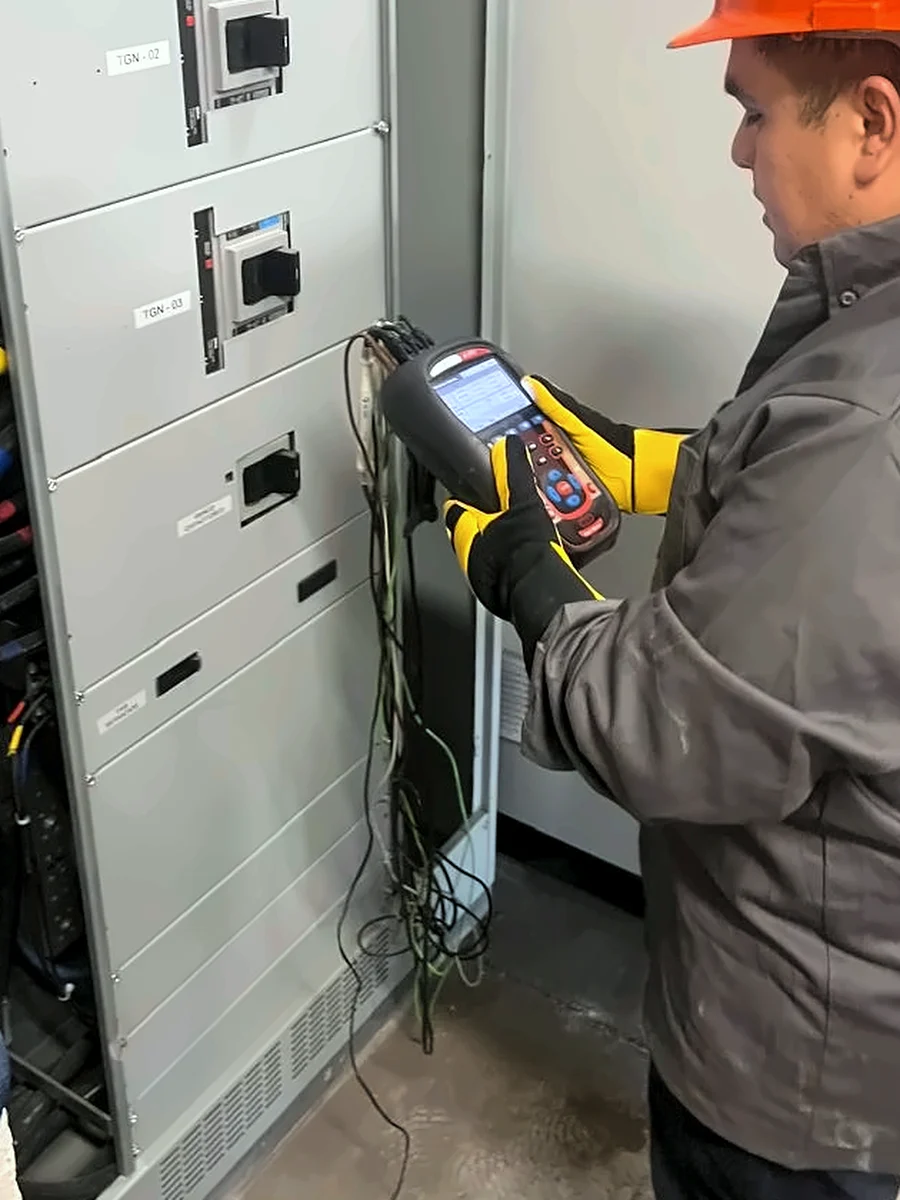
ECONOVA technician wearing dielectric gloves logging electrical parameters with an analyzer at a distribution panel
Electrical measurementParameter logging at a distribution panel
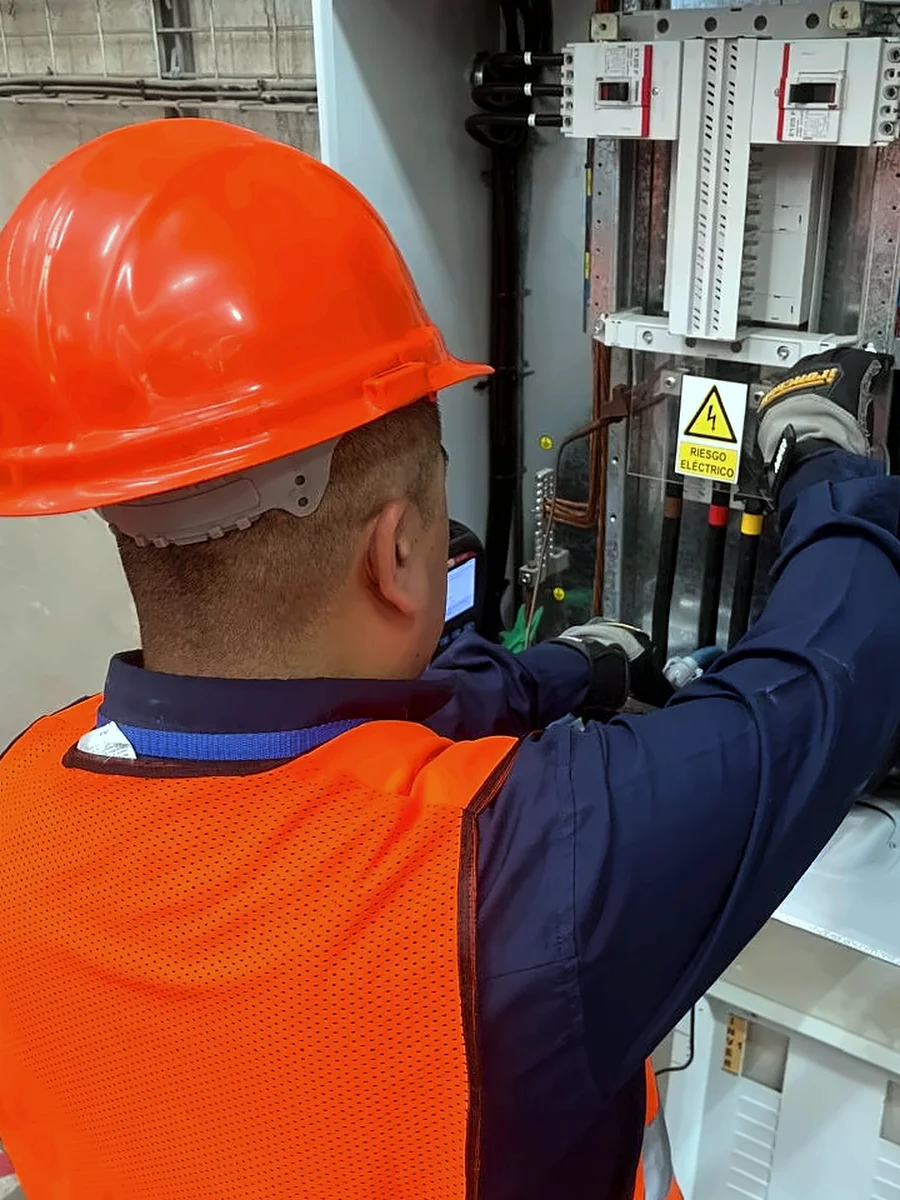
Clamp-on ammeters connected to the busbars of a panel marked with an electrical hazard sign
InstrumentationClamp connection on energized busbars
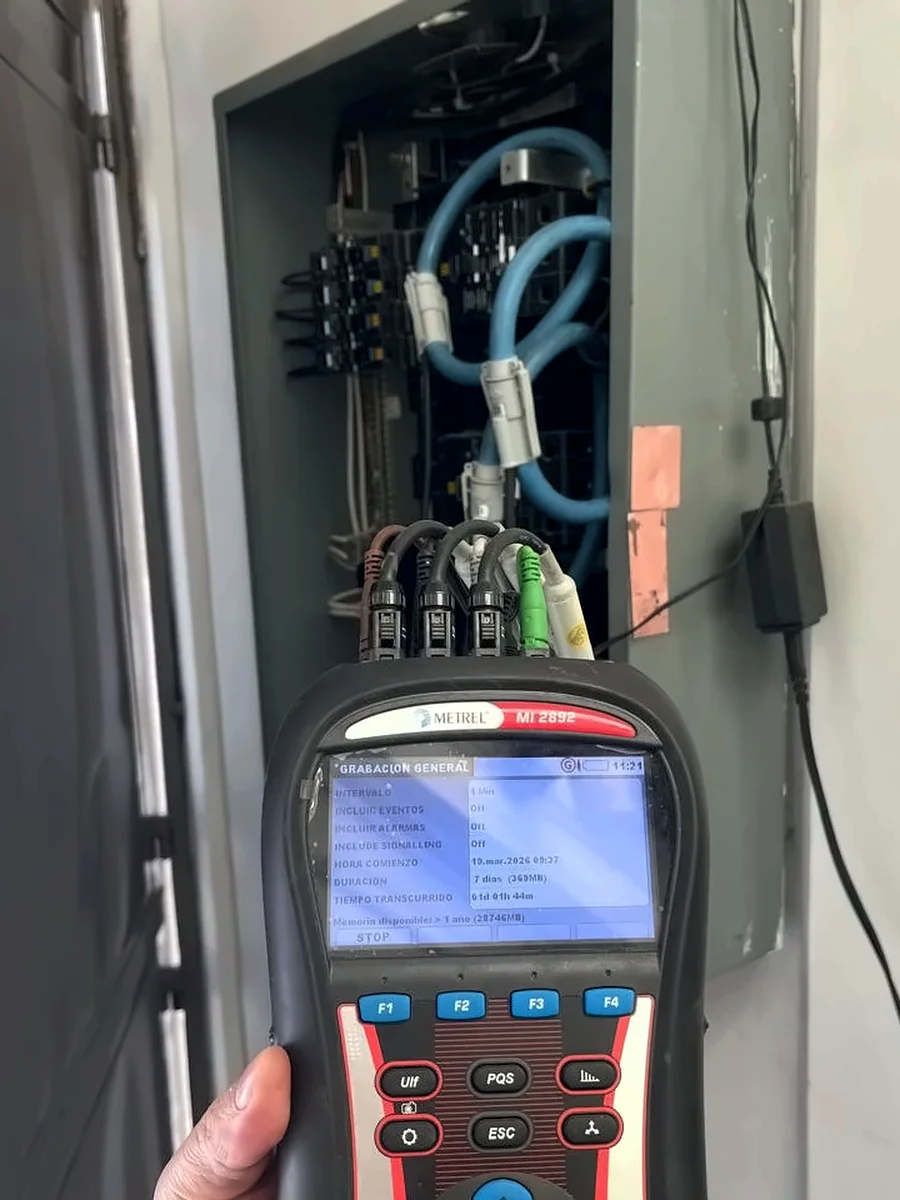
Power quality analyzer installed for seven-day continuous logging
Power qualitySeven-day continuous logging
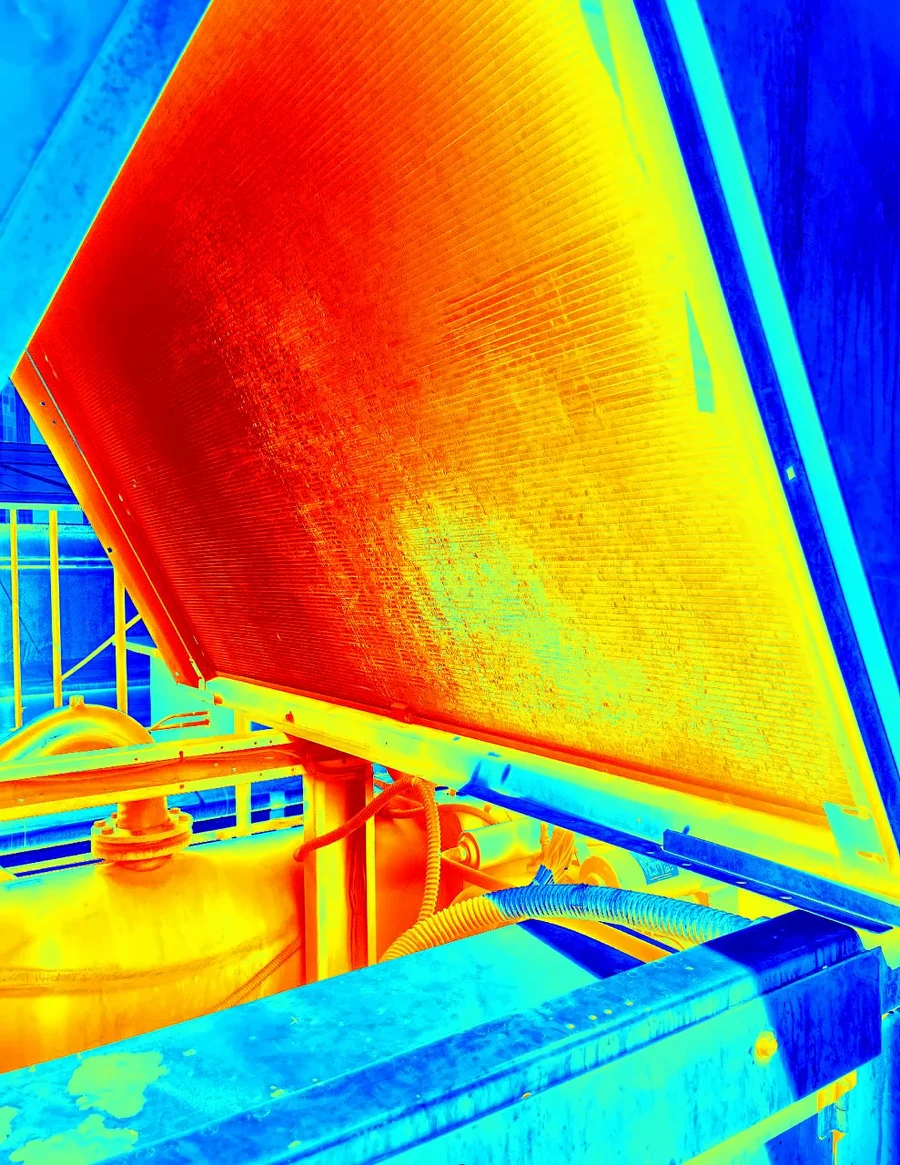
Infrared thermography of a condenser revealing fouling and uneven temperature distribution
HVAC thermographyCondenser fouling
Documented cases

Audits in demanding settings.

Four projects that show the team’s range, from the oil sector to academic research.

2012 – 2013
Oil and gas

PEMEX-PEP · Nine compressor stations

Comprehensive energy assessments at Samaria II, El Golpe, Blasillo, Castarrical, Mora, Bellota 114, San Ramón, Ogarrio and José Colomo, with a CONUEE compliance plan.

2007
Offshore

PEMEX-PEP · Akal-B offshore platform

Comprehensive assessment of energy efficiency, efficient water use and waste management in the living quarters and process areas.

2023
Education and research

IPN Nanosciences Center · ISO 50002

Energy audit, energy baseline, mapping of significant energy uses, performance indicators and Gap Audit for ISO 50001 certification.

2016
Food and beverage

Mondelez Mexico · Puebla plant

Comprehensive assessment of efficient process-water use, electrical and thermal efficiency with an emphasis on refrigeration, and waste prevention with recovery.

Why ECONOVA

Twenty-five years auditing energy in critical facilities.

TÜV-accredited Energy Efficiency Auditor valid in the European Union, ISO 50001 Consultant registered with EMA, and expert in UNIDO methodologies.

+70
Documented audits
+25
Years of experience
12+
Sectors served
8
Countries in UN cooperation projects
EE Auditor TÜV · EU ISO 50001 Consultant · EMA GHG Expert · EMA CONUEE Consultant PMVA · IPMVP (EVO) UNIDO Methodology
Frequently Asked Questions

About the energy audit.

What is an energy audit and what is it for?
It is a technical assessment that examines how an organization uses energy: where, how much, in which processes and how efficiently. Under ISO 50002 it identifies significant energy uses, establishes a verifiable energy baseline and delivers prioritized savings opportunities. It helps reduce costs, meet CONUEE obligations, prepare for ISO 50001 certification and support investment decisions.
What are the audit types under ISO 50002?
The standard defines three levels. Type I, or walk-through, is an observational assessment, ideal as a first approach. Type II, general, combines document analysis with spot measurements and a technical-economic evaluation. Type III, detailed, includes continuous instrumentation, energy models and in-depth process analysis. ECONOVA delivers all three.
How does it differ from ISO 50001 certification?
The audit is a point-in-time assessment: a detailed snapshot of the moment, under ISO 50002. ISO 50001 certification recognizes that the organization operates a management system with continual improvement. The audit is usually the first step toward certification, and it also stands on its own as a project for organizations focused on savings.
How much does an energy audit cost in Mexico?
It depends on the level (Type I, II or III), the size and complexity of the operation, the number of sites, the electrical and thermal scope, and the depth of measurement required. After a technical conversation, we deliver a detailed quote and a tailored work plan.
What information do I need before we start?
Ideally, energy bills for the last twenty-four months, an inventory of major equipment, basic process diagrams, operating schedules and patterns, and availability for site visits. If you don’t have everything, that’s fine: a good part of the audit work is building that foundation.
Do you interrupt operations during measurements?
No. Instrumentation is installed on panels and equipment while they operate, with the appropriate protective equipment and work permits. Continuous logging is carried out over representative periods—typically seven days—precisely to capture normal operation rather than a forced condition.
Related services

The audit is the first step toward certification.

If your organization falls under the UPAC regime or has decided to get certified, the audit is the foundation on which the Energy Management System is built.

Let's talk

Let’s talk about your energy audit.

We map your operating context, tell you clearly what applies to you, and draw up a tailored plan with scope, schedule and verifiable milestones.

HoursMonday to Friday · 8:00 a.m. – 6:00 p.m.

Request an assessment

Personalized response · No obligation

By submitting, you accept our privacy notice.

Message us