ECONOVA Ingeniería
Home › ISO 50001 Certification
Mandatory for UPAC facilities companies

ISO 50001 Certification

From Gap Audit to certificate, with a single accountable team.

We design and implement your Energy Management System and leave you 100% ready for the external audit. The certificate is issued by an EMA-accredited body, independent of the consultant—that is how the scheme works worldwide.

What it is

The standard that proves you manage your energy, not just pay for it.

ISO 50001:2018 certifies that your organization operates an Energy Management System with continual improvement: you measure, control and reduce consumption systematically. In Mexico, the LPTE Regulations make it mandatory for High Energy Consumption Users (UPAC).

✓

Regulatory compliance

Meets the UPAC obligation to CONUEE and avoids the risk of penalties for non-compliance with the LPTE Regulations.

↓

Verifiable savings

The system identifies and prioritizes measurable opportunities under the IPMVP protocol: compliance becomes a real cost reduction.

★

Market position

An internationally recognized certification. It carries weight in demanding supply chains and in the ESG reports your global customers request.

∞

Continual improvement

More than a one-time formality: it installs a permanent methodology that keeps improving energy performance year after year.

Current regulatory framework

If your company is a UPAC, ISO 50001 is no longer optional.

The Energy Planning and Transition Law (LPTE) and its Regulations make the Energy Management System mandatory for High Energy Consumption Users (UPAC). CONUEE begins verification in June 2027, and certification is enforceable no later than January 2028. A complete implementation takes 12 to 24 months.

45 GWh
of electricity per year; applies once exceeded
70,000 boe
of fuels per year, in barrels of oil equivalent; applies once exceeded
Check If My Company Is a UPAC
Regulatory timeline
March 2025
LPTE published in the DOF
The Energy Planning and Transition Law (LPTE) enters into force.
October 2025
LPTE Regulations in force
The UPAC Registry and the verification regime are formalized.
September 2026
DACG published in the DOF
Thresholds, UPAC Registry, mandatory information and minimum EnMS elements.
Current cycle
Implementation window
This is the time to build the EnMS: Gap Audit, energy baseline, documentation and internal audit, before verification begins.
The process

From assessment to certificate, in five stages.

Each stage delivers traceable technical documentation under ISO 50001, ISO 50002, IPMVP and the UNIDO Cleaner Production methodology. Each stage moves forward only once the previous one is verified.

01

Assessment and gap audit

Initial energy audit, verifiable energy baseline and Gap Audit against the requirements of the standard.

02

EnMS design

Energy policy, significant energy uses, performance indicators, objectives and the documentation the standard requires.

03

Implementation

Rollout in operations, staff training and, where applicable, instrumented measurement and integration with the SNIE.

04

Internal audit

We verify the system, close gaps and leave the organization ready for the external audit with no surprises.

05

Certification

Support during the accredited certification body’s audit and delivery of the ISO 50001:2018 certificate.

An important clarification: ECONOVA does not issue the certificate. It is issued by an independent certification body accredited by EMA (Mexican Accreditation Entity). Our job is to bring your organization to that audit with a complete system, its data in order and no open gaps.
Field team

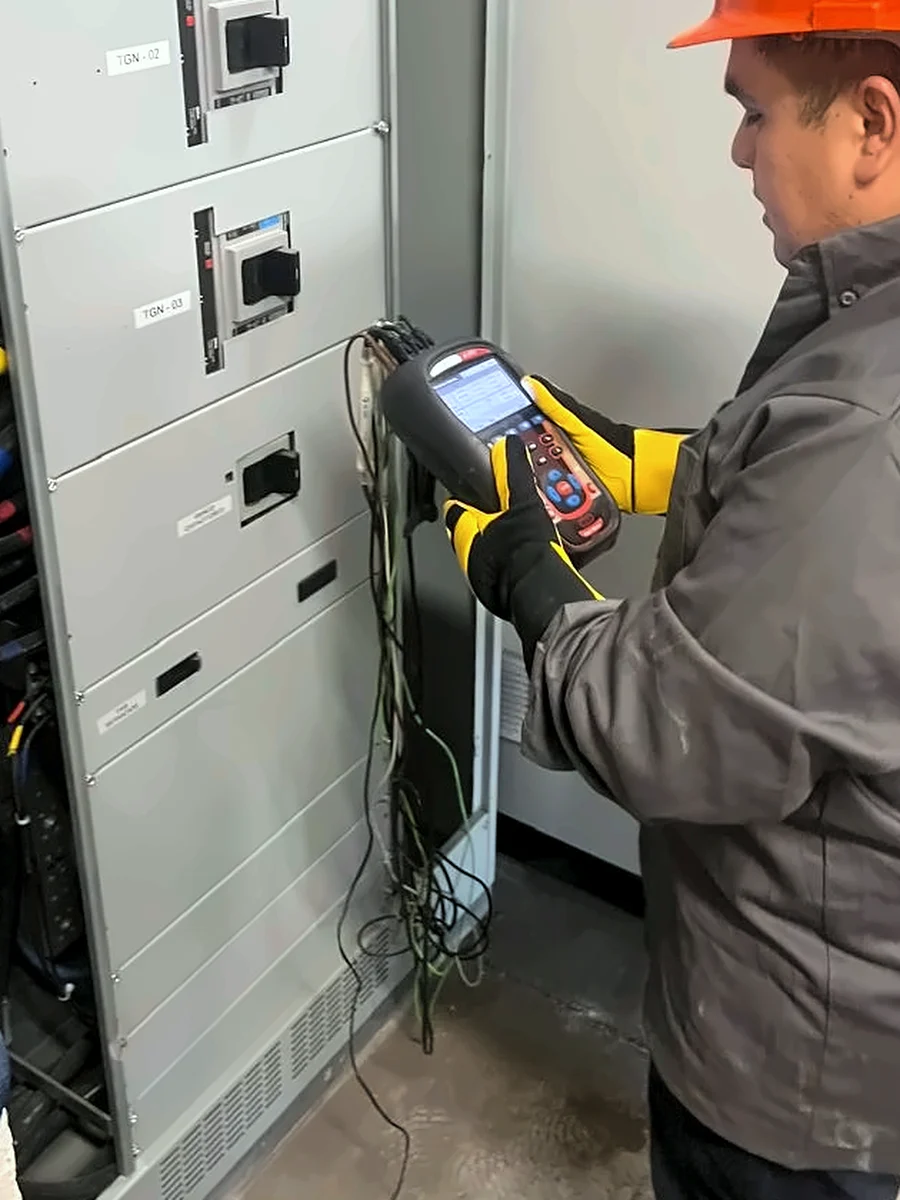
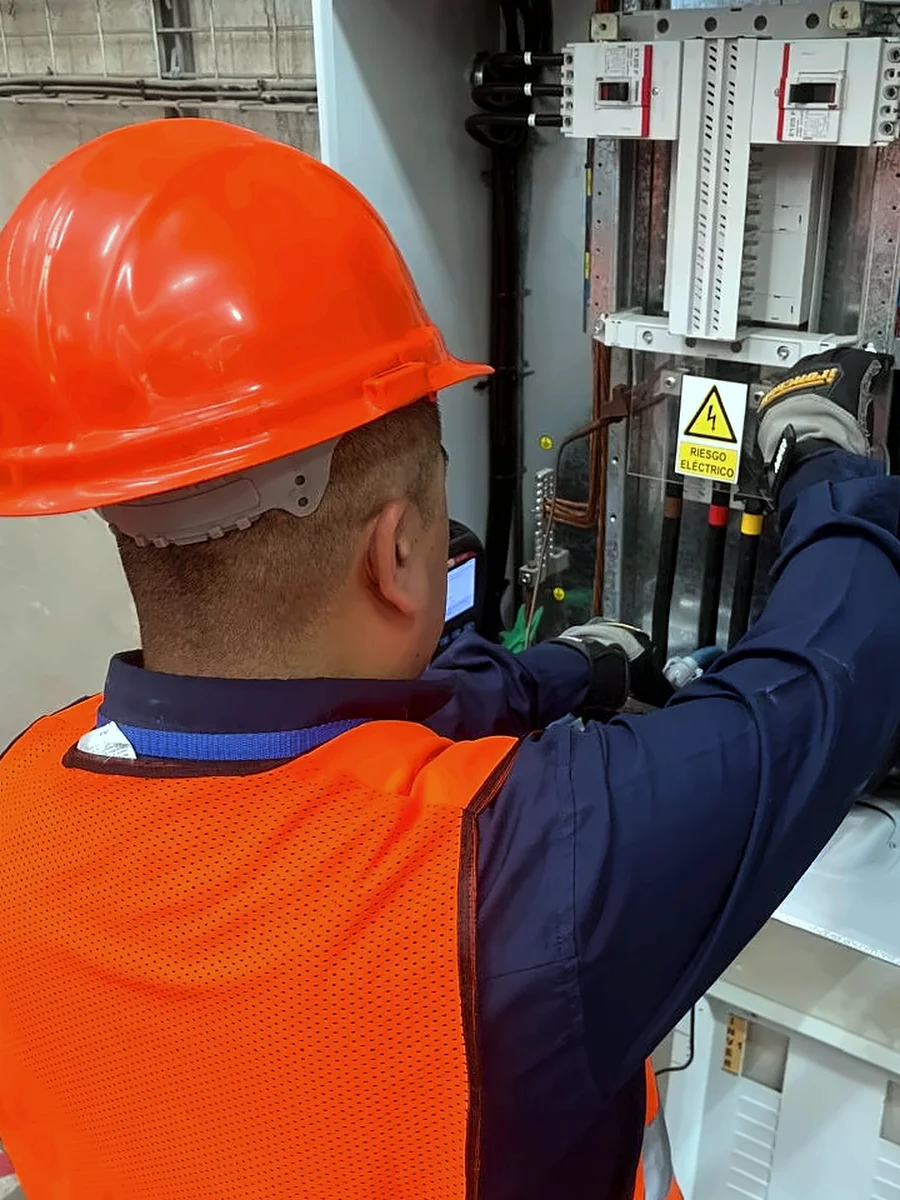
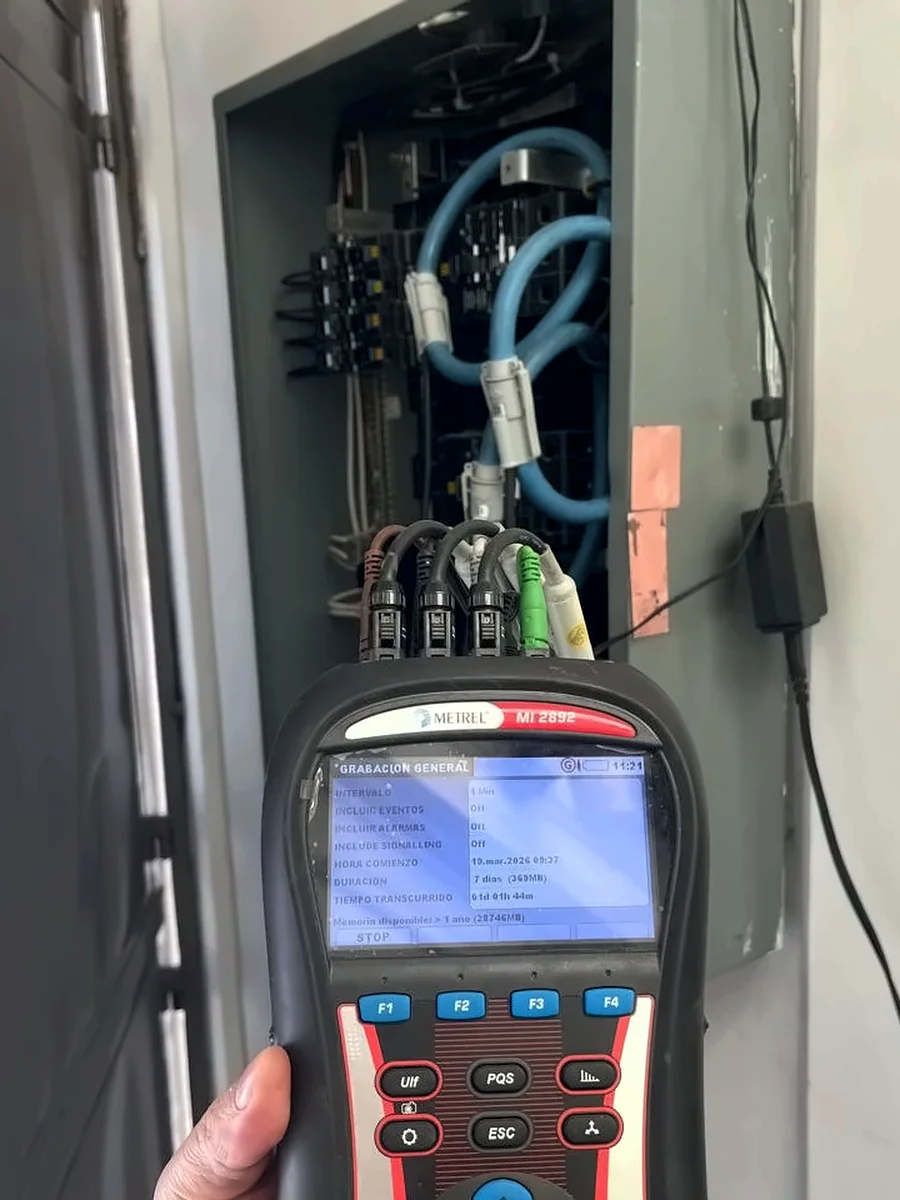
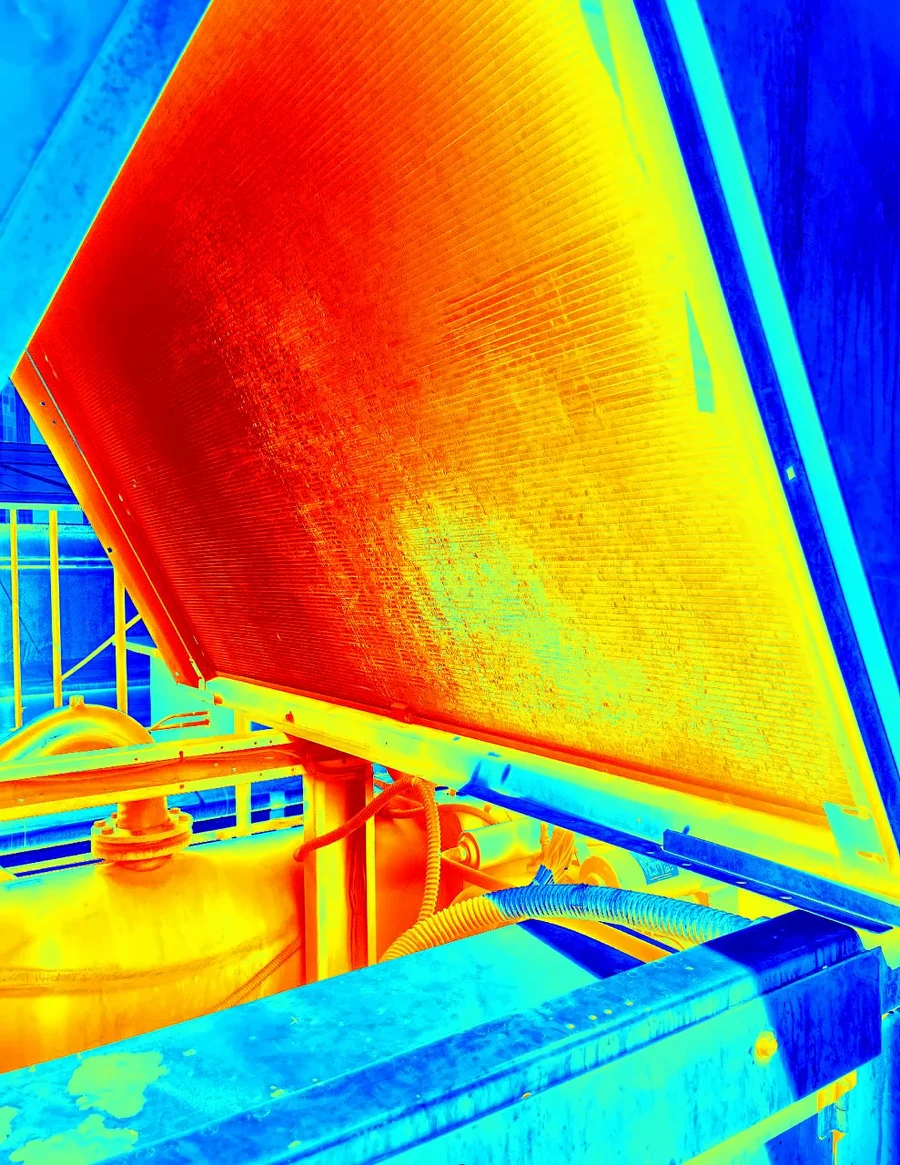
Measurement happens on site, not in a spreadsheet.

We instrument the facility and record how the operation actually behaves. The energy baseline is built on that data—not on assumptions.

ECONOVA technician wearing dielectric gloves logging electrical parameters with an analyzer at a distribution panel
Electrical measurementParameter logging at a distribution panel
Clamp-on ammeters connected to the busbars of a panel marked with an electrical hazard sign
InstrumentationClamp connection on energized busbars
Power quality analyzer installed for seven-day continuous logging
Power qualitySeven-day continuous logging
Infrared thermography of a condenser revealing fouling and uneven temperature distribution
HVAC thermographyCondenser fouling
Why ECONOVA

Twenty-five years on Mexico’s most demanding energy projects.

Founded by a TÜV-accredited Energy Efficiency Auditor, valid in the European Union, and ISO 50001 Consultant registered with EMA, with a track record at PEMEX, in agribusiness, healthcare and international cooperation with the UN.

+25
Years of experience
+70
Documented projects
9
PEMEX facilities
8
Countries in UN cooperation projects
EE Auditor TÜV · EU ISO 50001 Consultant · EMA GHG Expert · EMA CONUEE Consultant PMVA · IPMVP (EVO) UNIDO Methodology
Frequently Asked Questions

About ISO 50001 certification.

Is ECONOVA a certification body?
No, and that distinction matters. ECONOVA is a guidance and implementation consultancy: we design the Energy Management System, implement it and leave the organization ready for certification. The official certificate is issued by an independent certification body accredited by EMA (Mexican Accreditation Entity). That separation between who implements and who certifies is precisely what gives the ISO 50001 certificate its international validity, and it is how the scheme works worldwide.
Is my company required to get certified?
If your facility consumes more than 45 GWh of electricity per year, or more than 70,000 barrels of oil equivalent (boe) in fuels, it falls under the UPAC regime and must operate an Energy Management System under ISO 50001, certified by an accredited body no later than January 2028 (or within the calendar year following its registration, if it registers for the first time). It is worth reviewing facility by facility, because a corporate group may have some sites above the threshold and others below it.
How long does it take to implement and certify?
Between 12 and 24 months for a mid-sized organization, from the Gap Audit to obtaining the certificate. The timeline depends mainly on two things: the availability of historical consumption data and how well metered the operation is today. A plant without sub-metering needs to be instrumented before a defensible energy baseline can be established.
How much does ISO 50001 certification cost in Mexico?
There is no list price. The cost depends on company size, number of sites, process complexity and the maturity of the current system. It includes implementation consulting, training, internal audit and the external audit by the accredited certification body. After a technical conversation, we deliver a detailed quote and a tailored work plan.
Does ECONOVA support us all the way to certification?
Yes. We work with an end-to-end model: a single accountable team from assessment through the external audit. Our consultant is accredited as an ISO 50001 Consultant with EMA, which ensures the system meets the requirements of the standard before the certification audit.
What happens if we do not meet the obligation?
The LPTE Regulations provide for penalties for High Energy Consumption Users (UPAC) that fail to meet their obligations to CONUEE. Beyond the fine, the real cost is usually operational: arriving late to verification, which CONUEE begins in June 2027, forces a rushed implementation of a system that needs at least one year of data to hold up.

Related services

Certification works in synergy with the audit and with strategy.

The three services are one discipline approached from different angles. Depending on your context, it may make sense to start from a different point.

Let's talk

Let’s talk about your ISO 50001 certification.

We map your operating context, tell you clearly what applies to you, and draw up a tailored plan with scope, schedule and verifiable milestones.

HoursMonday to Friday · 8:00 a.m. – 6:00 p.m.

Request an assessment

Personalized response · No obligation

By submitting, you accept our privacy notice.

Message us