ECONOVA Ingeniería
Home › Energy Efficiency
Strategic consulting methodology

Energy efficiency

A management discipline, not a product you buy.

We structure your organization’s energy priorities from the initial assessment to the close-out of results, under the five-stage Econova cycle and the international methodologies ISO 50001, ISO 50002, IPMVP and UNIDO.

Our position

What energy efficiency is—and what it is not.

Mexican industry often confuses energy efficiency with buying equipment or installing renewable generation. It is neither.

› It is not

A product you buy

  • Not installing solar panels
  • Not buying a battery system
  • Not swapping fixtures for LEDs
  • Not signing a PPA and declaring victory
  • Not a certificate hanging on the wall
› It is

A strategic methodology

  • Measuring what is not measured today
  • Diagnosing where the energy actually goes
  • Prioritizing investments with a business case
  • Executing with engineering, measurement and governance
  • Verifying savings under IPMVP, not estimating them
The Econova cycle

Five stages. Verifiable results.

From the first assessment to the close-out of results. Each stage delivers traceable technical documentation under international methodologies.

01

Diagnose

Energy audit, on-site measurements under IPMVP, verifiable energy baseline, power quality and mapping of significant uses.

02

Plan

Portfolio of measures ranked by return, multi-year roadmap and financial modeling with IRR, NPV and payback.

03

Execute

Detailed engineering, procurement, civil works, installation, commissioning and integration with control systems.

04

Monitor

Real-time tracking, integration with CONUEE’s SNIE, monthly reports and alerts on deviations.

05

Achieve

Savings verified in kWh and pesos, external certification, regulatory reporting, ESG and a decarbonization plan.

Areas of expertise

Four technical disciplines, one vision.

Each area is assessed with its own methodology. The comprehensive energy assessment brings them together into a single roadmap.

⚡

Electrical assessment

Sub-metering by circuit and by significant use, power quality, power factor and CFE demand profile. Substation thermography, motor and drive diagnostics, elimination of tariff penalties.

🔥

Thermal assessment

Heat balance of furnaces and boilers, combustion analysis, efficiency of high-temperature equipment, loss characterization and waste heat recovery.

❄

Industrial HVAC

Audits of chillers, air handlers and cooling towers. Thermal loads, setpoint optimization, free cooling, variable-speed drives on fans and pumps, detection of simultaneous heating and cooling.

◎

Comprehensive energy assessment

The big picture: a complete X-ray of the operation that becomes a roadmap, with a business case and prioritization by impact and investment.

Technology lanes

Four combinable lanes, a technology-agnostic view.

Each operation receives the combination its context and maturity require. Free of brand or technology bias.

01

Measurement

Real-time visibility. Knowing where energy is spent before deciding where to cut. Sub-metering, IoT, SCADA and integration with the SNIE.

02

Optimization

Improving performance without capital-intensive investment. Getting the most from what already exists: heat balance, controls and management system.

03

Resilience

Continuity in the face of grid variability. Storage, industrial microgrids, backup and demand management.

04

Generation

On-site generation and clean energy (solar, wind, biomass, cogeneration) as one of several lanes, not as the starting point.

Order matters: lanes 01, 02 and 03 usually capture most of the savings without major investment. Renewable generation comes in once the previous lanes are well assessed and optimized. Done the other way around, you overpay to generate energy you did not need to consume.
The business case

For the executive committee, not only for the technical team.

Every portfolio of measures comes with a complete financial analysis, so finance and senior management can decide with the same rigor as on any other capital project. Efficiency moves beyond a technical-team project and becomes corporate strategy.

A

Prioritized portfolio

Impact, effort and investment matrix. Quick wins separated from major projects.

B

Financial modeling

IRR, NPV and payback period for each intervention, with sensitivity analysis and environmental benefit in tonnes of CO₂ equivalent.

C

Multi-year roadmap

Schedule with verifiable milestones, technical dependencies and energy intensity targets.

D

Financing

Identification of available sources: NAFIN, FIDE, IDB, green banking and clean energy certificates.

Energy maturity levels

Where does your organization stand? How far can it go?

A five-level model positions the current state against the goal. The gap audit defines the strategy, and the strategy defines the investment plan.

01

Initial

No energy measurement or governance. Reactive decisions and scattered data.

02

Repeatable

Some measurements and one-off projects, without a consistent methodology.

03

Defined

Energy baseline, significant energy uses identified, energy policy and basic procedures.

04

Managed

ISO 50001 system implemented, indicators defined and continuous measurement and verification.

05

Optimized

ISO 50001 certified, active continual improvement and integration with ESG reporting.

Field team

Measurement happens on site, not in a spreadsheet.

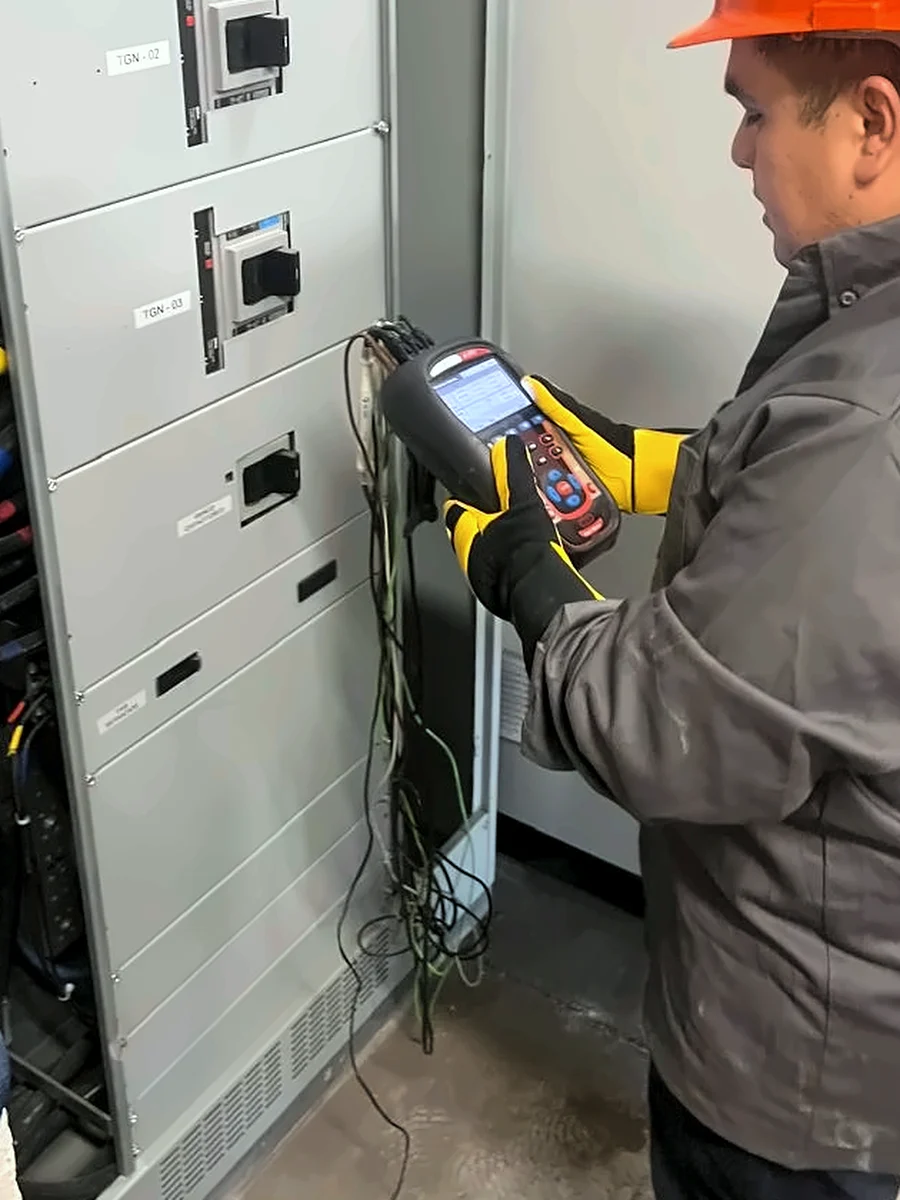
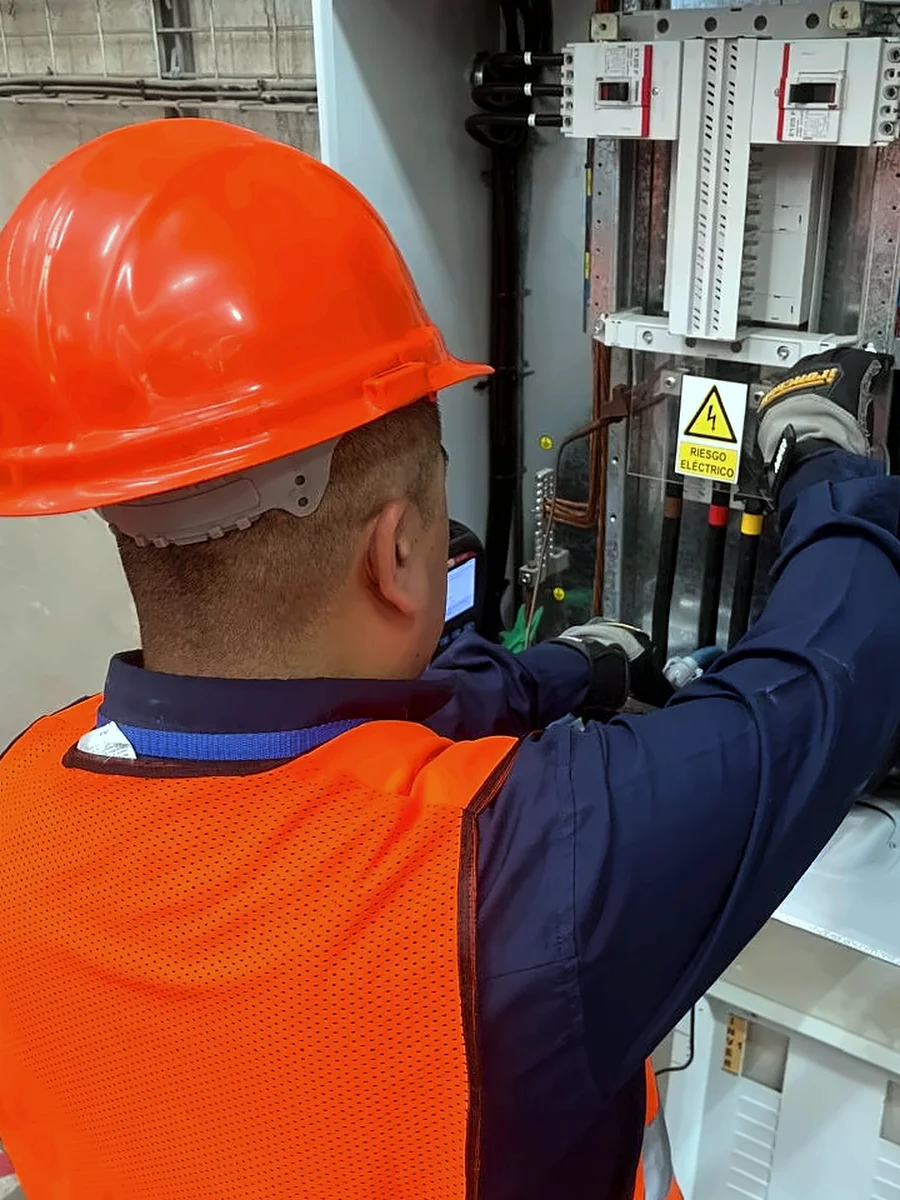
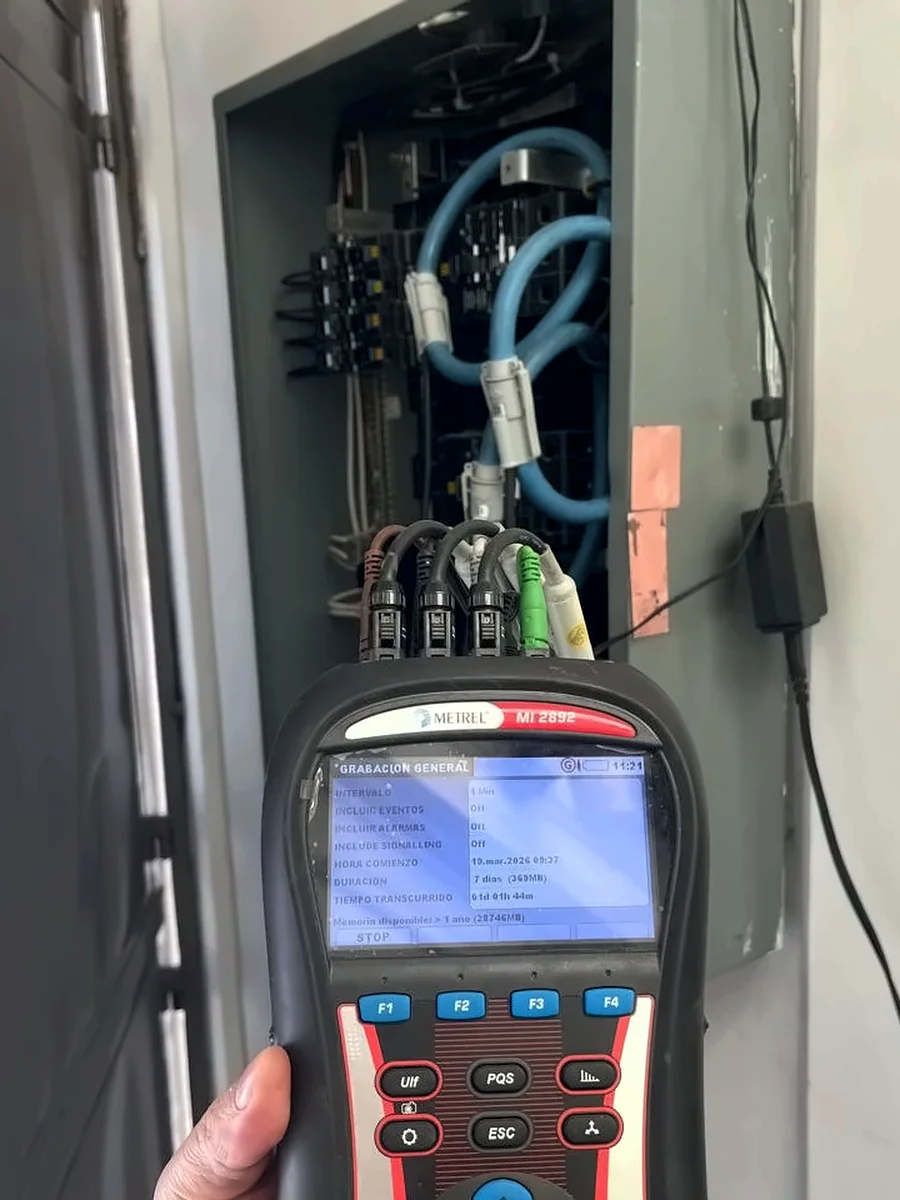
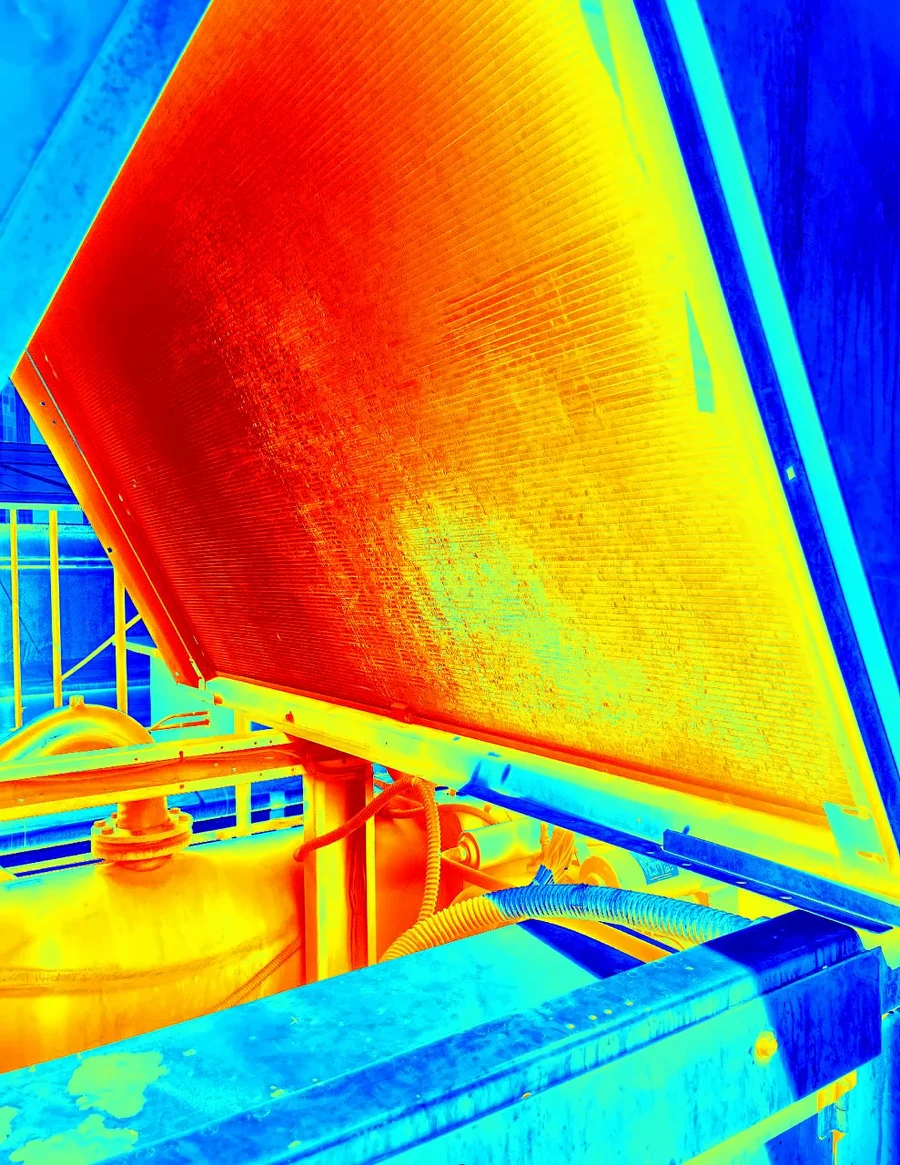
We instrument the facility and record how the operation actually behaves. The energy baseline is built on that data—not on assumptions.

ECONOVA technician wearing dielectric gloves logging electrical parameters with an analyzer at a distribution panel
Electrical measurementParameter logging at a distribution panel
Clamp-on ammeters connected to the busbars of a panel marked with an electrical hazard sign
InstrumentationClamp connection on energized busbars
Power quality analyzer installed for seven-day continuous logging
Power qualitySeven-day continuous logging
Infrared thermography of a condenser revealing fouling and uneven temperature distribution
HVAC thermographyCondenser fouling
Frequently Asked Questions

About energy efficiency.

What does ECONOVA mean by energy efficiency?
It is a strategic management discipline rather than a product or a piece of equipment. It covers measuring, assessing, prioritizing, executing and verifying an organization’s energy decisions. We apply the five-stage Econova cycle under the international ISO 50001, ISO 50002, IPMVP and UNIDO methodologies.
Is energy efficiency the same as installing solar panels?
No. Renewable generation is one of the four technology lanes we apply according to each operation’s priorities, but it is not efficiency itself. Efficiency is the discipline that decides when, where and how generation should be incorporated into a broader roadmap that includes measurement, operational optimization and resilience.
How is the business case structured?
Every project is delivered with a portfolio of measures prioritized by return, a multi-year roadmap and financial modeling with internal rate of return, net present value and payback period. We also identify available financing sources—NAFIN, FIDE, IDB and green banking—to accelerate implementation without tying up working capital.
Which technical areas does the methodology cover?
Four. Electrical measurement and assessment: substations, motors, power quality and CFE demand. Thermal measurement and assessment: furnaces, boilers, dryers and heat balance. HVAC and industrial climate control: chillers, air handlers and controls. And the comprehensive energy assessment, which brings all of the above together into a single view of the operation.
How are actual savings measured and verified?
We apply the International Performance Measurement and Verification Protocol under Options A, B and C, depending on the scope. This establishes a verifiable energy baseline against which actual savings are measured, not estimated, in kilowatt-hours and in pesos. Continuous measurement and verification is reported monthly.
What is the energy maturity level model?
A five-level model that positions the current state of an organization’s energy management against the desired goal. It ranges from the initial level, with no measurement or governance, to the optimized level with ISO 50001 certification, continuous measurement and verification, and indicators integrated into ESG reporting. The gap between your current level and the goal defines the strategy.

Related services

Efficiency works in synergy with auditing and certification.

The three services are one discipline approached from different angles. Depending on your context, it may make sense to start from a different point.

Let's talk

Let’s build your energy roadmap.

We map your operating context, tell you clearly what applies to you, and draw up a tailored plan with scope, schedule and verifiable milestones.

HoursMonday to Friday · 8:00 a.m. – 6:00 p.m.

Request an assessment

Personalized response · No obligation

By submitting, you accept our privacy notice.

Message us